What’s Really Lurking Beneath Your Yard: Septic Removal
Why Septic Removal Matters More Than You Think
Septic systems are easy to forget about until something goes wrong. Buried underground and out of sight, they quietly handle waste for years or even decades. But when a system reaches the end of its life, ignoring it can lead to serious problems. In the Cape Fear region of North Carolina, where soil conditions, water tables, and weather patterns all play a role, proper septic removal becomes especially important.
Old or failing septic tanks can collapse, leak contaminants, or interfere with future construction plans. Even if the system seems to be working, hidden deterioration can create long-term risks for your property and the surrounding environment. Preparing for removal is not just about digging up a tank. It is about understanding what lies beneath your yard and making informed decisions before the process begins.
Signs It May Be Time for Removal
Many homeowners are unsure when septic removal is necessary. Some assume pumping or minor repairs will solve the issue indefinitely. While maintenance can extend a system’s life, it cannot prevent eventual failure.
Common warning signs include slow drainage, persistent odors, pooling water near the drain field, or unexplained patches of lush grass. In coastal areas like Cape Fear, heavy rains and high groundwater levels can accelerate these issues. If your property is older or you are planning new construction, your septic system may no longer meet current codes.
Recognizing these signals early gives you time to prepare rather than react to an emergency. Septic removal is much smoother when it is planned rather than rushed.
Understanding the Process Before It Starts
Septic removal involves more than excavation. The process typically includes locating the tank, pumping out any remaining waste, disconnecting the system, and either removing or properly decommissioning the tank. Local regulations in North Carolina often dictate whether a tank must be fully removed or can be abandoned in place after being filled.
Permits are usually required, and inspections may be part of the process. Working with a contractor familiar with Cape Fear regulations can prevent delays and ensure everything is handled correctly.
Preparation also means knowing what equipment will be used and how it may impact your property. Heavy machinery can affect landscaping, driveways, and underground utilities. Having a clear plan in place helps minimize disruption.
Preparing Your Property for Septic Removal
Before any work begins, there are several steps homeowners can take to make the process more efficient. Clearing the area above the septic system is one of the most important. This includes removing vehicles, outdoor furniture, and any obstacles that could block access.
It is also important to identify and mark utility lines. Water, gas, and electrical connections may run near the septic system, and accidental damage can create serious complications. In many cases, utility marking services can assist with this step.
Communication with your contractor is key. Discuss the layout of your property, any known issues, and your future plans for the space. Whether you intend to install a new septic system, connect to municipal sewer, or repurpose the land, this information will guide the removal process.
Environmental Considerations in Cape Fear
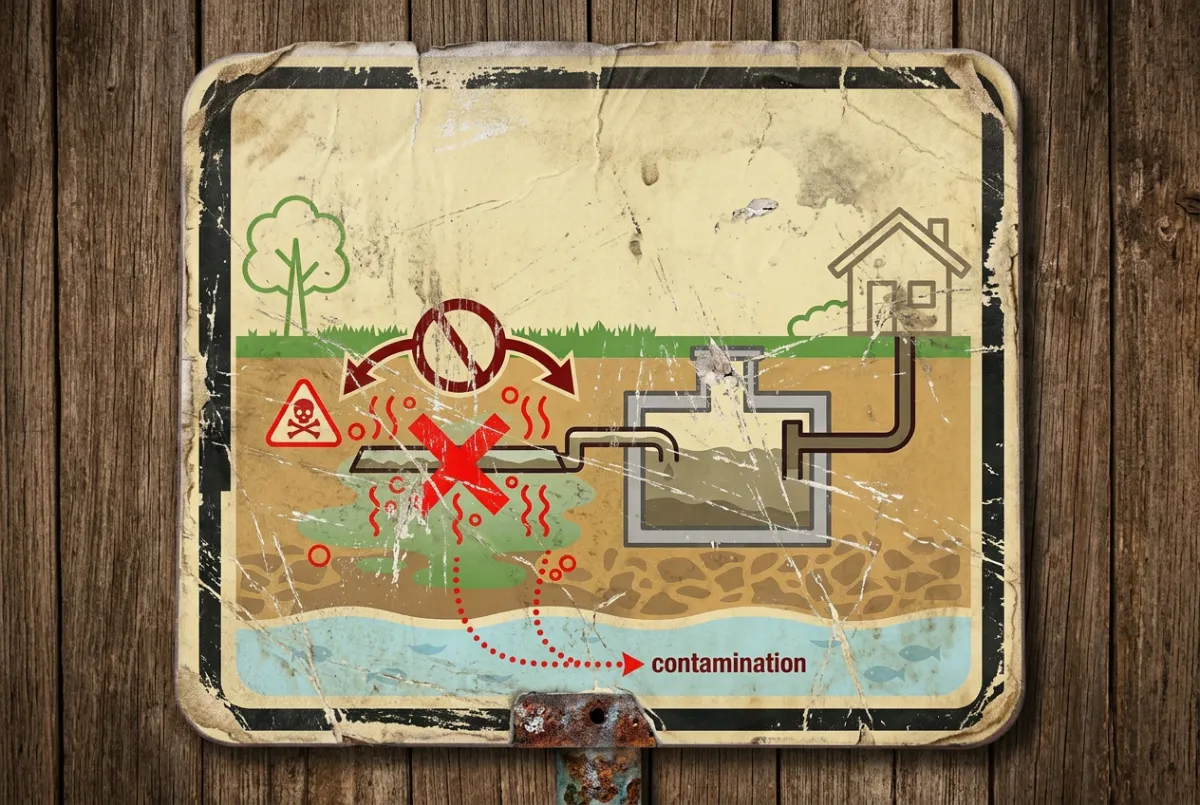
The Cape Fear area presents unique environmental factors that influence septic removal. Sandy soils, coastal flooding, and fluctuating water tables can all affect how systems are installed and removed. Improper handling can lead to contamination of nearby groundwater or waterways.
Professional removal ensures that waste is properly disposed of and that the site is restored safely. This is especially important for properties near rivers, wetlands, or coastal zones where environmental regulations are stricter.
Taking these factors into account during preparation helps protect both your property and the surrounding ecosystem. It also reduces the likelihood of future issues after the removal is complete.
What Happens After the Tank Is Gone
Once the septic system is removed or decommissioned, the work is not entirely finished. The excavated area must be filled and compacted properly to prevent settling. Depending on your plans, additional grading or soil work may be needed.
If you are installing a new system, this is the stage where design and permitting come into play. For those transitioning to a sewer connection, coordination with local utilities will be necessary.
Planning ahead for what comes next ensures a smooth transition and prevents unexpected delays. It also allows you to make the most of your property once the old system is no longer in place.
Avoiding Common Mistakes
One of the biggest mistakes homeowners make is underestimating the complexity of septic removal. Attempting to cut corners or skip permits can lead to fines, environmental damage, or costly repairs later on.
Another common issue is failing to account for site conditions. In Cape Fear, weather and soil can change quickly, and what seems like a straightforward project can become more involved without proper preparation.
Working with experienced professionals and taking the time to plan each step reduces risk and keeps the project on track.
Planning Ahead Makes All the Difference
Septic removal is not something most people think about until it becomes unavoidable. But with the right preparation, it can be a manageable and even beneficial project. Whether you are upgrading your system, preparing for new construction, or addressing an aging tank, understanding the process gives you control over the outcome.
In the Cape Fear region, where environmental and regulatory factors play a significant role, being proactive is especially important. A well-prepared septic removal not only protects your property but also sets the stage for whatever comes next.